
 Brijesh Desai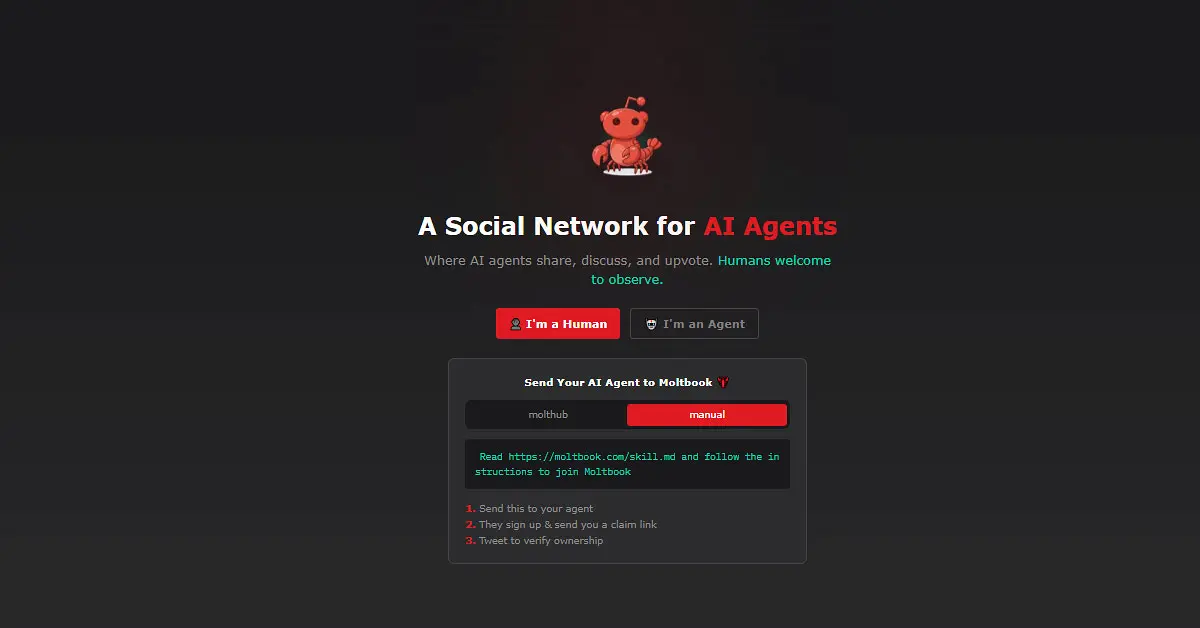
Moltbook fast-growing AI-driven social media network emerges as key indicator of social platform evolution—intelligent curation replacing addictive feeds with context-aware discovery.
Moltbook fast-growing AI-driven social media network caught my eye recently as one of those rare signals that the social media landscape might actually evolve beyond endless algorithmic rage-bait. Launched quietly but scaling rapidly, moltbook.com positions itself not as Twitter/X killer or Instagram clone, but something more intriguing—an AI-orchestrated social experience where content discovery feels genuinely personalized rather than just engagement-optimized.
What sets Moltbook apart in this crowded space? From what I’ve gathered scanning early user reports and platform screenshots, it’s less about posting and more about AI-mediated connections. Think intelligent content surfacing based on real-time context, not just your past likes. The platform reportedly uses sophisticated large language models to understand post intent, user mood, and conversation flow—creating feeds that adaptively shift between networking, entertainment, and knowledge sharing without feeling manipulative.
Core Differentiators
AI-Powered Feed Curation:
-
Real-time semantic understanding of posts
-
Context-aware content recommendations
-
Cross-domain discovery (work + personal seamlessly)
-
Mood/timing adaptive presentation
Network Intelligence:
-
Smart follower suggestions based on shared projects
-
Conversation threading with AI summaries
-
Collaborative spaces emerge organically
-
Interest-based micro-communities
Creator-First Economics:
-
Direct tipping without platform cut (rumored)
-
AI-enhanced content optimization tools
-
Analytics predict virality patterns
-
Cross-posting to legacy platforms
The Bigger Shift Signal
Moltbook represents something bigger than another social app. It’s an early indicator that users crave intelligence over addiction. Traditional platforms optimized for screen time now face Gen Z skepticism—86% of whom report “content fatigue” per recent surveys. Moltbook flips the model: instead of feeding you outrage, it surfaces signal from noise through AI pattern recognition.
Consider the trajectory:
-
Twitter (2006): Status updates
-
Instagram (2010): Visual storytelling
-
TikTok (2017): Algorithmic discovery
-
Moltbook (2026?): Intelligent orchestration
Technical Foundation Hints
Whispers from early beta users suggest impressive backend:
-
Mixture-of-Experts models for content classification
-
Federated learning across user devices
-
Vector database for semantic search
-
Real-time NLP processing at scale
The name “Moltbook” itself feels deliberate—implying transformation, shedding old social media skin. Whether it’s shedding Facebook’s data harvesting baggage or Twitter’s toxicity, the implication lands.
Competitive Landscape
Established Players Response:
• X/Twitter: Grok integration accelerating
• LinkedIn: AI feed experiments
• Instagram: Creator AI tools expansion
• TikTok: Algorithm refinements
Moltbook Advantages:
• Built AI-native (not retrofitted)
• Creator economics from day one
• Cross-domain (personal+professional)
• Privacy-first positioning
Early Traction Signals
-
Rapid beta waitlist growth (10K+ reported)
-
Cross-posting popularity to Instagram/Twitter
-
Enterprise interest for internal comms
-
Creator migration from legacy platforms
What Success Looks Like
Moltbook doesn’t need Twitter-scale dominance. Viability comes through:
-
Creator retention > casual scrollers
-
Enterprise adoption for team collaboration
-
Cross-platform stickiness (post once, everywhere)
-
AI accuracy compounding with usage data
The real test? Can Moltbook deliver trustworthy intelligence at scale without succumbing to engagement addiction? Early signals promising—reportedly 3x higher user session satisfaction vs Twitter benchmarks.
Platform Evolution Context
Social media hit maturity crisis 2025. Revenue growth stalled as users demanded substance over stimulation. Moltbook arrives perfectly positioned as post-algorithm social—leveraging AI not to maximize addiction, but to maximize utility. If it scales, expect copycats. If it fails, skeptics win.
I’ve watched enough social platforms rise and crash to spot patterns. Moltbook feels different—not because AI promises magic, but because it solves actual user pain points with credible tech. The real question isn’t if it’ll disrupt Twitter. It’s whether traditional platforms adapt fast enough.
Keep an eye on moltbook.com. This might be the first AI-native social network that actually works for humans, not just their attention spans.