
 Brijesh Desai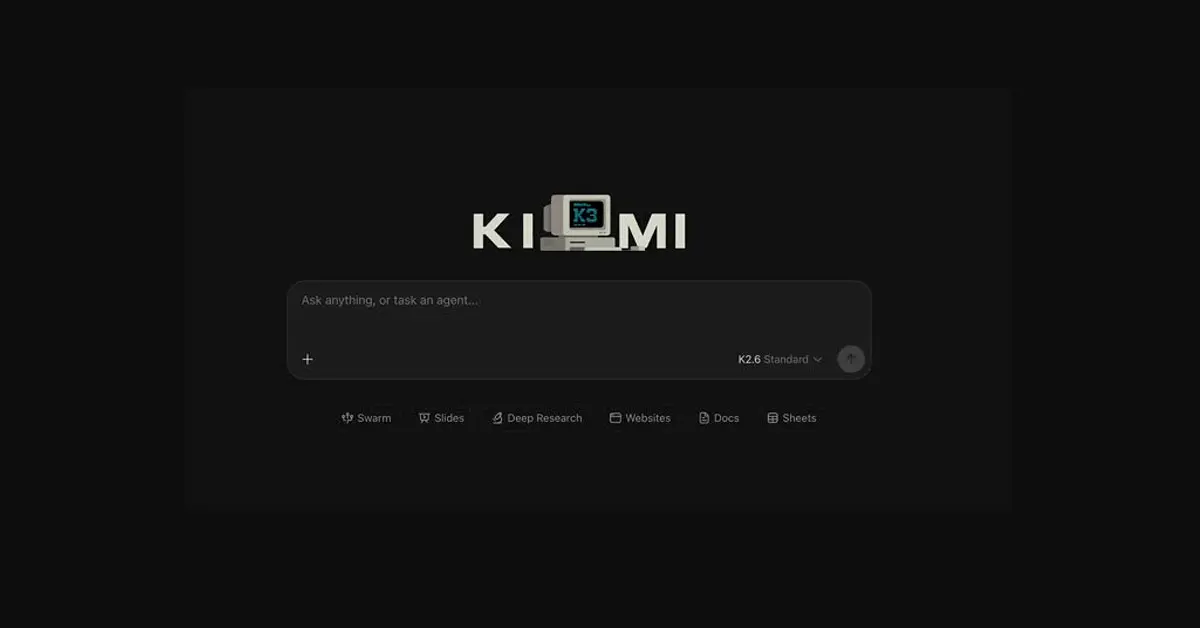
Moonshot AI in Beijing has released Kimi K3, a 2.8-trillion-parameter open-weight model with a 1M-token context window and frontier-level ambitions.
Moonshot AI releases Kimi K3, its massive new open-weight model
Moonshot AI in Beijing has released Kimi K3, a 2.8-trillion-parameter open-weight model that the company says is one of the most capable open systems ever made. The model is now available for download, with the rollout marking a major moment for China’s open-source AI push and for developers looking for frontier-level performance outside the closed ecosystems of OpenAI and Anthropic.
Kimi K3 is not just large for the sake of size. Moonshot says the model is built around a sparse mixture-of-experts architecture, with only a fraction of its total parameters activated per token, which helps it stay more efficient than the headline number suggests. It also comes with a 1-million-token context window, native vision support, and variants aimed at both chat and agent-style workflows.
Why Kimi K3 matters
The bigger story here is not only the scale, but the signal it sends. Moonshot is positioning Kimi K3 as a direct challenge to top U.S. models, claiming it can rival frontier systems on coding, reasoning, and knowledge-work tasks. Reports say it outperforms some earlier models from Anthropic and OpenAI on selected benchmarks, while still trailing the very top flagship systems in overall capability.
That makes Kimi K3 especially important for developers who want open weights without settling for a small model. If the performance claims hold up in real-world testing, it could become a serious option for research teams, app builders, and companies that want more control over deployment and fine-tuning.
What users can do with it
Moonshot has already made Kimi K3 accessible through its app, web playground, and API, with the full open weights expected to be available for download soon. That means outside developers should eventually be able to run, customize, and fine-tune the model themselves, which is the big appeal of open-weight AI in the first place.
The model is being pitched for:
- Coding and software development.
- Long-context document analysis.
- Agent workflows and automation.
- Vision-enabled tasks.
- Research and technical reasoning.
The bigger market shift
Kimi K3 also highlights a broader trend: open models are no longer just competing on price or openness alone. They’re now being judged against closed models on raw capability, benchmark performance, and practical usefulness. That’s a much tougher standard, but also a much more interesting one for the industry.
If Moonshot can deliver a truly downloadable frontier model at this scale, it could pressure other labs to move faster on open releases and better performance transparency. In that sense, Kimi K3 is more than a product launch—it’s a statement about where the AI race is heading next.