
 Brijesh Desai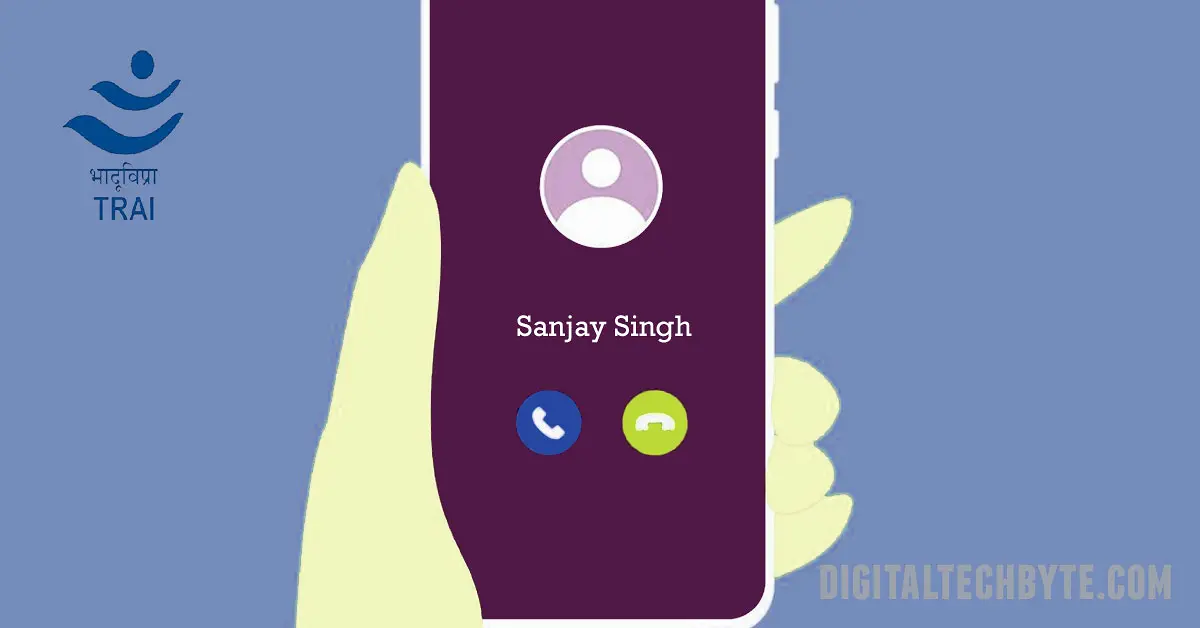
TRAI’s CNAP feature will display verified caller names on your phone screen, eliminating the need for Truecaller. Learn how CNAP improves security, privacy, and caller identification in India.
TRAI CNAP Caller Name Display: India’s New Verified Caller ID Without Truecaller
The Telecom Regulatory Authority of India (TRAI) has taken a major step in transforming the way Indians identify their callers by introducing the Calling Name Presentation (CNAP) feature. CNAP is a network-level solution that displays the verified caller’s name directly on your phone’s screen during incoming calls, eliminating the dependency on third-party applications like Truecaller. Slated for nationwide rollout by March 2026, CNAP aims to enhance caller identification accuracy, privacy, and security, ushering in a safer telecom experience across India.
Currently, Indian mobile users rely largely on caller numbers alone or third-party apps with crowd-sourced databases to recognize callers. CNAP addresses this gap by leveraging the authenticated customer name linked to the telecom operator’s Know Your Customer (KYC) data. This ensures that the caller name is official, verified, and resistant to spoofing—a significant improvement over existing methods prone to errors and fraudulent identities.
TRAI and the Department of Telecommunications (DoT) have collaborated intensely to finalize a framework where telecom providers maintain up-to-date caller name registries and enable seamless cross-network integration. This means whether a call originates from Reliance Jio, Bharti Airtel, Vodafone Idea, or any other operator, the recipient’s device will display the authentic registered name pre-stored with the operator.
One of CNAP’s user-centric benefits is that it will be automatically enabled by default on all compatible devices, with the option for subscribers to opt out if they choose privacy. Calls made from numbers registered with privacy restrictions like Calling Line Identification Restriction (CLIR) will respect those settings and not reveal the caller’s name. This balance between identification and privacy marks an important regulatory milestone.
The implementation will initially target smartphones on 4G and 5G networks, covering the majority of India’s mobile subscriber base. Telecom device manufacturers will be mandated to ensure CNAP compatibility in all new phones sold post-rollout. Plans to extend CNAP services to legacy 2G and 3G networks are underway but require further feasibility assessments.
By introducing CNAP, TRAI aims to empower consumers, especially vulnerable groups like the elderly or less tech-savvy, to distinguish genuine calls from spam, fraud, and telemarketing scams. In recent years, telecom fraud and spam calls have surged, eroding trust in telecommunications. Verified caller names provide a first line of defense, boosting confidence and improving call engagement.
The road to successful CNAP implementation does come with challenges, including the need for accurate and frequently updated databases, interoperability between competing telecom operators, and managing edge cases like shared business numbers or large enterprises. But industry insiders remain optimistic, seeing CNAP as a crucial enhancement to India’s digital infrastructure.
Ultimately, CNAP’s introduction represents more than just a technical upgrade: it is a reflection of India’s ongoing digital evolution towards secure, trustworthy, and user-friendly communication technologies. With this verified caller ID capability, Indian mobile users will experience greater transparency and peace of mind—all without depending on external caller ID apps.