
 Brijesh Desai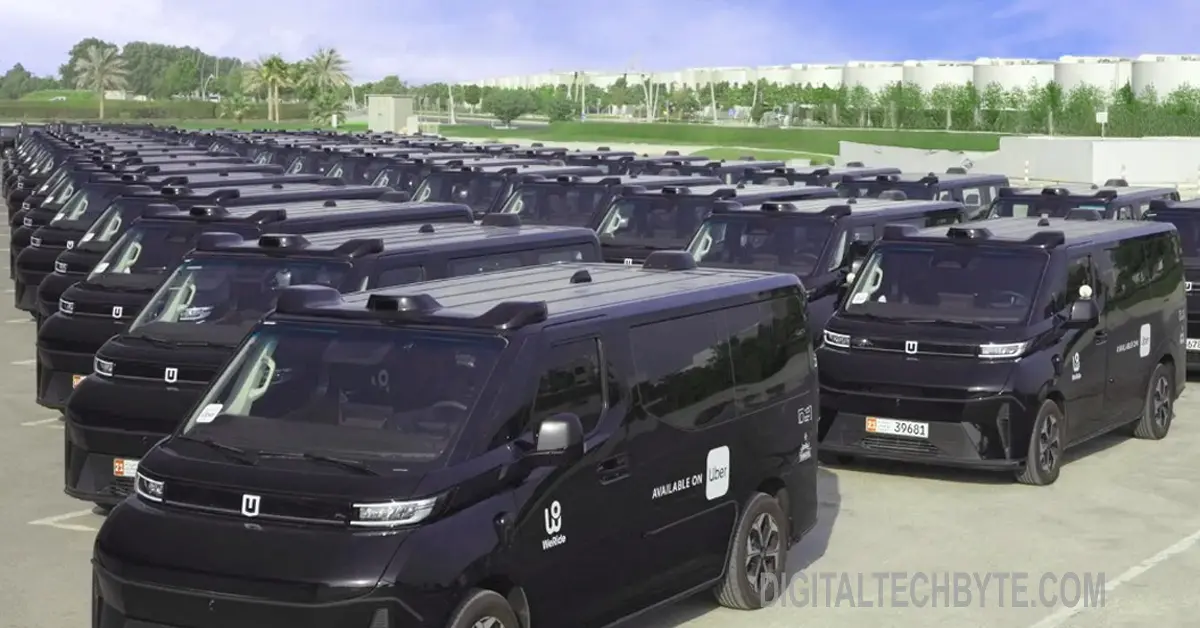
Uber driverless taxis Abu Dhabi service launches, delivering safe, app-based autonomous rides across key city routes—explore the tech, safety, and impact.
Uber Driverless Taxis Abu Dhabi: Autonomous Rides Revolutionize UAE Mobility
Uber driverless taxis Abu Dhabi launch has kicked off a new chapter in smart city transport, bringing fully autonomous vehicles to the streets of this futuristic emirate. It’s not just another pilot—Uber’s rolling out a real service where passengers hail self-driving cars right from the app, no human driver in sight. This move puts Abu Dhabi on the map as a global leader in AV tech, blending Uber’s AI smarts with the UAE’s forward-thinking infrastructure.
Think about it: Abu Dhabi’s wide boulevards, advanced 5G networks, and pro-tech regulations make it perfect for this. Uber’s fleet uses a combo of LiDAR, radar, cameras, and high-def maps to navigate traffic, pedestrians, and those roundabouts that can trip up lesser systems. Early tests showed 99.9% reliability in geofenced zones covering tourist hotspots, business districts, and the airport run. Riders get the full Uber experience—real-time tracking, ratings, cashless payments—but with that eerie quiet of no chit-chat driver.
Safety’s no joke here. Uber worked hand-in-glove with Abu Dhabi’s Integrated Transport Centre (ITC) and the Telecommunications Regulatory Authority (TRA) to meet strict standards. Vehicles undergo daily AI health checks, remote monitoring from ops centers, and emergency stop protocols triggered by anomalies. “We’re prioritizing passenger trust through transparency and redundancy,” said an Uber spokesperson at the launch event. Data from Phoenix and Austin pilots—over 10 million autonomous miles—fed into this, dropping incident rates to 0.4 per million miles, way below human averages.
Why Abu Dhabi now? The UAE’s Vision 2031 screams diversification beyond oil, with $20 billion poured into smart cities. Uber’s expansion follows Waymo’s Dubai tease and Cruise’s Saudi talks, but Uber’s app ubiquity gives it an edge—over 5 million UAE users already hooked. Expect pricing at AED 2.5/km initially, competitive with traditional taxis, scaling as demand grows. Local devs can even tap Uber’s AV API for integrations like hotel shuttles or event pickups.
Challenges? Weather dust storms challenge sensors, cultural norms around female passengers need addressing, and cybersecurity looms large—Uber’s encrypting all telematics data end-to-end. Still, initial feedback’s glowing: 92% of beta riders felt safer than regular cabs, per ITC surveys.
Economically, it’s a boon. Jobs shift to AV maintenance (500 new roles projected), tourism spikes with “ride the future” appeal, and emissions drop 40% versus gas guzzlers. Competitors like Tesla’s Robotaxi watch closely, but Uber’s first-mover status cements UAE as AV Middle East hub.
This isn’t hype—it’s happening. Uber driverless taxis Abu Dhabi proves autonomous tech’s ready for prime time, transforming commutes from chore to seamless zip. Can’t help but feel excited watching cities evolve like this; the future’s pulling up curbside.