
 Brijesh Desai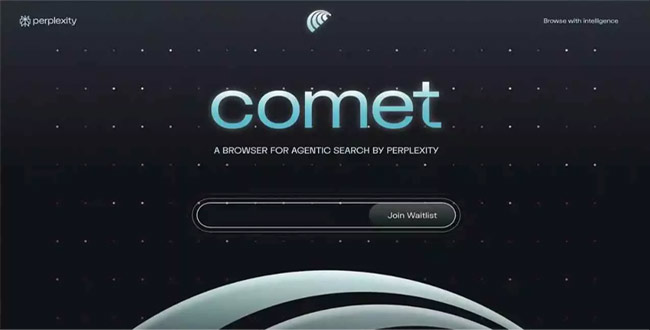
With Google facing antitrust heat and new AI-powered browsers like Perplexity Comet entering the arena, the future of web browsing is shifting. Explore why Comet’s next-gen features might finally challenge Chrome’s dominance.
Is Google Chrome’s Era Finally Ending?
For over a decade, Google Chrome has lorded over the web, its blue, red, yellow, and green circle as familiar as the browser itself. But July 2025 feels different. With regulators breathing down Google’s neck and cutting-edge challengers stepping up, the very notion of what a web browser is—and who should control it—faces its loudest rethink yet.
The Antitrust Tsunami: Why the US Government Wants to Split Chrome Away
A U.S. federal court’s gavel just echoed through Silicon Valley. The Department of Justice (DOJ), after a lengthy legal battle, declared Google’s behavior a textbook case of monopoly abuse. Chrome, with a share as vast as 89% on desktop and more than 90% on mobile, didn’t just dominate the market; it tied the world’s searches—and the ads that come with them—tightly to Google’s money machine. Regulators said this stifled actual innovation, kept rivals in the shadows, and hurt consumers and publishers alike.
But here’s the wild part: The DOJ has asked the judge to seriously consider a world where Chrome, and possibly the very codebase (Chromium) that powers it, is spun off or sold entirely. Never before has Google’s grip on your daily browsing felt so tenuous. Some in the courtroom shuddered at the thought. Google’s lawyers argued that “spinning off Chrome would break it, rendering it ‘insecure and obsolete’.” The DOJ countered: nobody gave Google a divine right to own the browser. Security, they argue, can still be robust under new stewardship.
And, just maybe, this high-stakes drama is the crack the next generation of browsers has been waiting for.
Comet: The Upstart Betting on AI to Build Browsing’s Future
Enter Perplexity’s Comet, the headline-grabbing AI-powered browser that’s causing ripples from San Francisco tech meetups to European tech blogs in less than a month since its beta release. What exactly makes this browser anything more than another “Google Chrome killer” headline?
- AI at the Core: Comet isn’t merely “powered by” AI. Searching, reading, summarizing, sorting email, answering questions, managing tabs—it all runs through a conversational, agentic AI sidebar. You can highlight text anywhere and summon instant, cite-rich explanations—no more tabbing out or fumbling for definitions.
- Instant Context & Workflow Automation: Shopping for shoes? Comet can scan for deals, compare prices, even offer virtual try-ons. Researching for work? It’ll sift through Reddit, summarize YouTube videos, and compare information from across the web in seconds. It juggles your calendar, helps book flights, and drafts emails—all while you stay in your workflow.
- Privacy & Fluidity: Built on Chromium (ironically, Chrome’s open-source heart), switching over is one click: bookmarks, passwords, all your extensions come along—no pain, no loss. And, for privacy fiends, there are modes that keep your sensitive work local, only sending anonymized or consented info to the cloud.
CEO Aravind Srinivas puts it simply: “Comet isn’t just a browser; it’s your AI co-pilot.” His team is already knocking on the doors of smartphone makers, hoping Comet can ditch Chrome as the default on new devices. That’s a tall ask—change happens slow in people’s day-to-day tech habits—but the pressure on Google has never been higher.
The Competitive Landscape: Browsers Are Having Their Moment
If you’re tired of Google’s omnipresence, you’re not alone. Tech journalists, privacy advocates, and plenty of everyday users have ditched Chrome for browsers like Firefox, Brave, Vivaldi, and others over the years—all citing a craving for privacy, customization, or just anything less corporate. Brave rips out Google code, blocking trackers and ads by default; Firefox and its offshoots (like LibreWolf and Floorp) go even further to keep ads, scripts, and data snoops at bay. And new AI browsers, from OpenAI and others, are nipping at Google’s heels too.
But Comet is the first true threat mixing the best of both worlds: all the old Chrome essentials and a brand new, actually helpful, AI-powered heart.
| Browser | Core Feature | AI Integration | Privacy Focus |
|---|---|---|---|
| Chrome | Market dominance, extensions, Google Search | Gemini (future) | Limited |
| Comet | AI-first, agentic workflow, all Chrome add-ons | Deeply embedded | High/local |
| Firefox | Open-source, tracker blocking | Minimal | Strong |
| Brave | Chromium-based, tracker/ad blocking | Integrated AI beta | Strong |
| Vivaldi | Endless customization, workspaces | Limited | Moderate |
Will AI Power Be Enough To Break User Habits?
Let’s be real: Most people don’t wake up excited to install a new browser. Chrome’s been “good enough,” and folks don’t want to relearn the web. But as the DOJ closes in on a ruling that could put Chrome up for sale, there’s a sense—maybe just a glimmer—that real change is not just possible, but right around the corner.
Meanwhile, workers and knowledge professionals are eyeing up browsers that don’t just “display websites” but actually help get stuff done. From summarizing emails to managing meetings and digging for real insights on a crowded web, Comet promises to boost both productivity and peace of mind.
Of course, there are hurdles: user inertia, nagging privacy questions about new AI models, and Chrome’s sheer momentum. Still, just look at the industry reactions—OpenAI has even publicly mused about buying Chrome should the courts force Google’s hand.
Final Thoughts (And a Dash of Hope)
Honestly, something’s brewing in browserland that hasn’t happened since Chrome burst onto the scene in 2008. The intersection of antitrust action, AI leaps, and consumer privacy worries means Chrome’s iron grip is looking wobblier by the day. Will you swap Chrome for an AI-driven assistant like Comet? A new browser from Perplexity-(https://comet.perplexity.ai/) Maybe you’re sick of change, but maybe—just maybe—you’re about to.