
 Brijesh Desai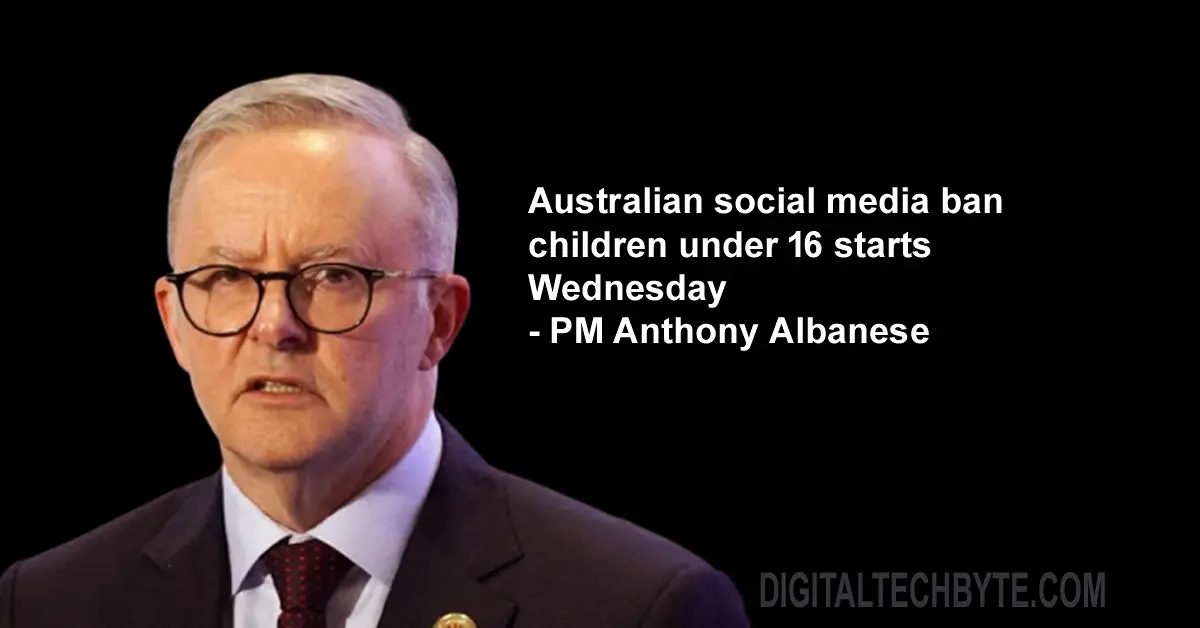
Australian social media ban children under 16 starts Wednesday—PM Anthony Albanese warns platforms like TikTok of massive fines for failing age verification and child account enforcement.
Australian Prime Minister Anthony Albanese has issued a clear and firm admonition to social media companies worldwide, emphasizing that they will be strictly held accountable as Australia’s unprecedented ban on children under 16 having social media accounts begins this Wednesday. This landmark legislation, part of the Online Safety Amendment, aims to tackle escalating mental health concerns linked to early social media exposure, with hefty fines and enforcement measures for platforms failing to comply.
The Ban’s Scope and Enforcement Framework
The ban, effective December 10, 2025, requires all interactive social media platforms to implement robust age verification systems ensuring no child under 16 can create or maintain an account. This includes major platforms like TikTok, Instagram, Snapchat, YouTube, and even X (formerly Twitter), which will now face stringent regulatory scrutiny. The government’s message is unambiguous: platforms must take “reasonable steps” to prevent access, or face fines reaching A$49.5 million (approximately US$33 million) and potential business restrictions in Australia.
Albanese underscored the seriousness of this approach, stating, “Social media is doing social harm to our children. We will no longer tolerate companies putting profits over the wellbeing of kids. When the ban comes into force, social media companies will be held responsible, with penalties that cut deep”. The law also calls for the removal of any existing accounts belonging to those under the age threshold, with platforms given 28 days to comply.
In contrast to many global jurisdictions, Australia is pioneering a tough, regulatory-first approach. The legislation demands not just a ban but enforced verification that leverages biometrics, government IDs, artificial intelligence, and other technological solutions, aiming to close age loopholes and curb the trend of children circumventing restrictions through fake accounts.
The Mental Health Impetus Driving Reform
Central to Albanese’s campaign has been the mounting evidence linking social media use to deteriorating youth mental health. Studies indicate a startling increase in depression and anxiety rates among teens, with researchers like psychologist Jonathan Haidt highlighting how “the anxious generation” is heavily impacted by early, unsupervised social media engagement. Australian surveys reveal 80% of parents support stronger controls to protect their children online, reflecting public demand for decisive government action.
The ban also reflects fears about cyberbullying, exposure to inappropriate content, disrupted sleep patterns, and the addictive mechanics of many platforms. Albanese and his Communications Minister Anika Wells argue that shielding young Australians until they develop greater resilience is a social imperative. “Kids deserve to grow up without the harms social media too often inflicts,” said Wells, emphasizing a child-first regulatory approach unmatched globally.
Platform Panic vs. Parental Relief
TikTok scrambles with age-scanning logins; Instagram tests parental controls; Snapchat eyes ephemeral chat blocks. Global ripple? UK/France study Australia’s model as EU DSA tightens age rules. Critics like Elon Musk tweet “tyranny over teens,” but polls show Aussies prioritize safety—70% want similar worldwide.
Privacy hawks flag biometric risks, yet government mandates data minimization. Enforcement audits start day one, with 2026 budgets earmarking A$200M for compliance tech.
| Platform | Age Verification Plan | Fine Exposure |
|---|---|---|
| TikTok | Facial biometrics + ID | A$49.5M+ |
| Instagram | AI + parent linking | Revenue-based |
| Snapchat | Behavioral analysis | Account wipes |
| YouTube | Credit card proxies | Business bans |
Industry Backlash Versus Consumer Protection
The social media industry has expressed serious reservations about the ban’s feasibility. Companies like Meta (Instagram, Facebook) have labeled the rules “unworkable,” predicting that strict age verification may drive children underground and onto less regulated, potentially more dangerous platforms. Enforcement is expected to be complex and costly, with privacy advocates raising concerns about biometric data handling and potential misuse.
Nonetheless, the Australian government remains steadfast. The establishment of the Office of the eSafety Commissioner as the primary enforcement agency ensures ongoing audits, compliance checks, and hefty fines for breaches. Platforms face the challenge of adapting rapidly or risking exclusion from the Australian market altogether. This could translate into a multibillion-dollar impact on global tech giants given Australia’s relatively small but vocal user base.
Global Implications and Future Outlook
Australia’s ban stands as a global first, catalyzing conversations in regions like the UK, EU, and North America about similar measures. Other countries watch closely, evaluating whether such comprehensive protections balance youth safety without stifling innovation or parental control. If successful, Australia may become a blueprint for worldwide reforms aimed at combating social media harms to minors.
The new policy places parents, schools, platforms, and policymakers at the center of a digital cultural shift, prioritizing children’s rights and wellbeing over previously strident commercial interests. The coming enforcement phase will be closely monitored by international observers, child advocacy groups, and privacy experts alike.
Conclusion
As the ban on children’s social media accounts takes effect this Wednesday, Australian Prime Minister Anthony Albanese’s clear message to platforms underscores a paradigm shift in digital responsibility. Social media companies must now step up to the challenge or face significant penalties, representing a historic moment in safeguarding youth mental health in the digital age.
The success of this groundbreaking law will depend on balanced implementation, technological innovations in age verification, and collaborative efforts across governments and industry. One thing is certain: Australia has set a powerful precedent in holding social media accountable for their impact on children.