
 Brijesh Desai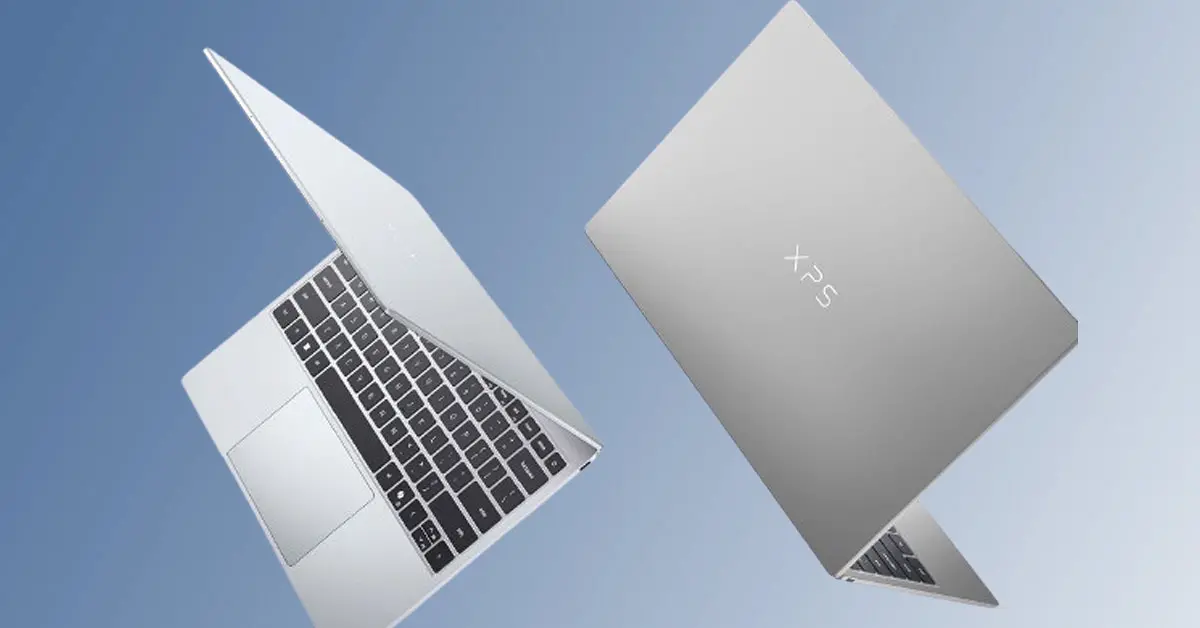
Dell takes on Apple MacBook Neo with new $700 laptop, the redesigned XPS 13 featuring a 2.5K 120Hz touchscreen display, Intel Core 5 “Wildcat Lake” processor, backlit keyboard, and up to 17 hours of battery life, available for students at $599 starting July.
Dell takes on Apple MacBook Neo with new $700 laptop, unveiling the redesigned XPS 13 as a direct competitor to Apple’s budget-friendly MacBook Neo that stunned the premium laptop market when it launched in March 2026.
The new XPS 13 is positioned as Dell’s answer to Apple’s $599 MacBook Neo, which has been dominating the budget premium laptop segment with its performance and price combination. Dell’s strategy is clear: bring back the XPS brand as a lower-priced premium Windows alternative targeting the same students and young buyers entering the mainstream premium market.
Price and availability
The pricing strategy is aggressive:
Standard price: $699 (around Rs 67,900 in India)
Student price: $599 introductory price for students
Back-to-school offer: Valid from July to September 2026
Apple’s MacBook Neo costs $599, dropping to $499 for education buyers, meaning Dell hasn’t been able to fully match Apple on price. However, the student discount brings Dell’s XPS 13 much closer to Apple’s pricing.
Design and build quality
The new XPS 13 is Dell’s thinnest and lightest XPS laptop to date:
Thickness: Just 0.5 inches (12.7mm) thick
Weight: Merely 1kg (997 grams), making it one of the lightest laptops in its class
Chassis: CNC-machined aluminum body for premium feel
Colors: Available in two colors — Storm and Sky
This attention to design and portability directly challenges the MacBook Neo’s compact, premium build.
Display: where XPS 13 beats MacBook Neo
The XPS 13’s display is one of its biggest advantages over the MacBook Neo:
The XPS 13 features a 2.5K IPS touchscreen with 120Hz refresh rate, offering smoother scrolling and more responsive interactions. The MacBook Neo, by comparison, has a 60Hz non-touch display.
Performance and specs
The entry-level XPS 13 configuration includes:
Processor: Six-core Intel Core 5 320 “Wildcat Lake” processor
RAM: 8GB (LPDDR5X)
Storage: 512GB SSD (base model has 256GB)
Webcam: Built-in webcam with Windows Hello facial recognition support
Key features that MacBook Neo lacks
The XPS 13 includes several features that the MacBook Neo doesn’t offer:
- Backlit keyboard — The MacBook Neo lacks a backlit keyboard
- Touchscreen display — Fully interactive touch support
- 120Hz refresh rate — Smoother visuals vs MacBook Neo’s 60Hz
- Windows Hello facial recognition — Built-in security
- 100% DCI-P3 color coverage — Better color accuracy for creative work
Battery life and port selection
- Battery life: Up to 17 hours of battery life, sufficient for all-day use
- Ports: Two USB-C ports (no 3.5mm audio jack, similar to its pricier predecessor)
The lack of a headphone jack is a concern for users who want wired audio, but this is a design choice that aligns with the ultra-thin profile.
Why this matters
Dell’s decision to revive the XPS brand as a cheaper premium Windows rival shows that laptop makers are aggressively chasing the same student and younger buyers that Apple is targeting with the MacBook Neo. The competition is heating up in the budget premium segment, where price, performance, and features matter most.
The XPS 13’s touchscreen, 120Hz display, backlit keyboard, and Windows Hello give it a clear advantage over the MacBook Neo in terms of features, even if Apple’s laptop is slightly cheaper.
Dell takes on Apple MacBook Neo with new $700 laptop marks a significant moment in the budget premium laptop war. The redesigned XPS 13 brings better display technology, backlit keyboard, touchscreen, and Windows features to the table, while matching Apple on portability and battery life.
For students and young buyers, the $599 student pricing starting in July makes this an attractive alternative to the MacBook Neo, especially if you value a touchscreen, 120Hz display, and backlit keyboard.
Dell has successfully revived XPS as a premium Windows rival that’s finally competitive with Apple’s budget offering. The question now is whether Windows performance and compatibility will win over macOS loyalists.