
 Brijesh Desai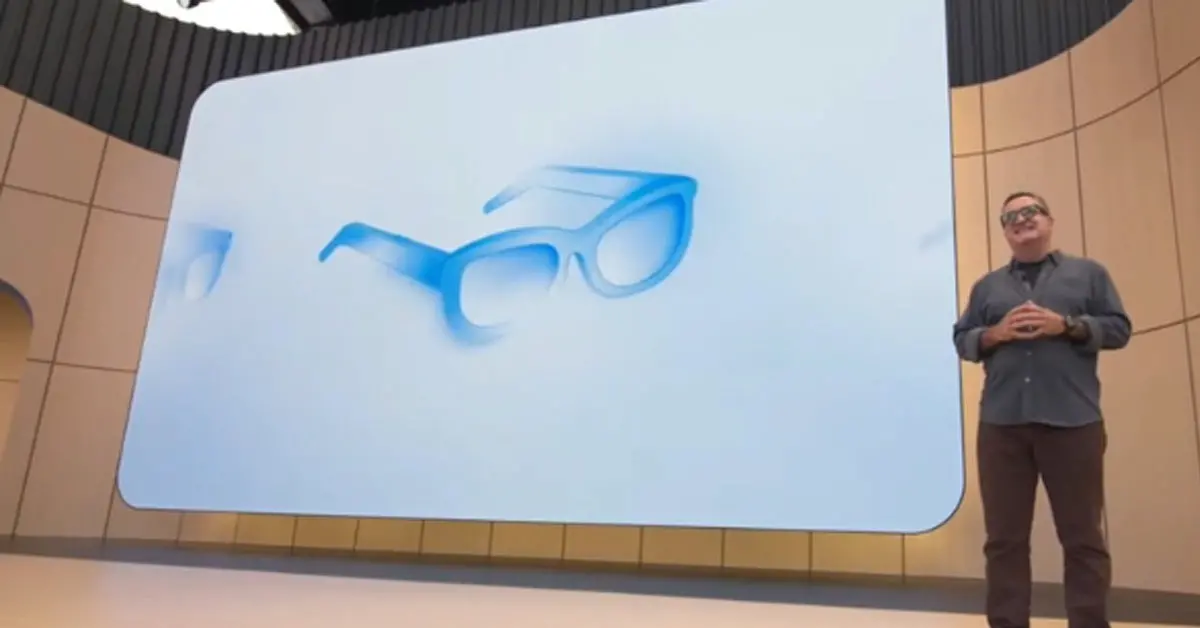
Google and Samsung have revealed two new smart glasses designs at Google I/O 2026, built with Android XR and Gemini AI; here’s what they look like, how they work, and when they’ll arrive as audio‑only “intelligent eyewear.
Google and Samsung reveal smart glasses designs at Google I/O 2026 in a way that feels like a deliberate reply to Meta’s Ray‑Ban‑style smart glasses. The duo teased two distinct physical designs of what Google is now calling Android XR “intelligent eyewear” — audio‑centric glasses that lean on your phone’s processing and Gemini’s AI, rather than full‑on transparent AR displays. Think of them less as “see‑through screens” and more as AI‑powered sunglasses you can talk to.
How the new smart glasses are built
At their core, these glasses are companion devices to your phone, not standalone head‑mounted computers. Samsung and Google describe them as:
- Built to understand the world alongside users in real time, using onboard cameras, microphones, and speakers paired with Gemini running on an Android or Android‑compatible device.
- Audio‑only in this first generation: no built‑in displays, just discreet speakers and a touchpad on the arm that can trigger AI actions, record photos, or control playback.
- Designed to keep you “hands‑free and heads‑up”, so you can stay in the moment while still getting notifications, guidance, and AI help.
The hardware is built in collaboration with Warby Parker and Gentle Monster, so the frames look like normal (and stylish) sunglasses rather than clunky tech goggles. That’s a big deal: Google and Samsung aren’t just selling a gadget; they’re selling a fashion‑first product that just happens to run AI in the background.
What the two designs look like
From the demos on stage and Google’s blog, the two designs show a clear split in aesthetic:
- Gentle Monster edition: More “disruptive yet refined” — sharper lines, bolder silhouettes, and a tech‑adjacent vibe that will appeal to early‑adopter and fashion‑conscience users. Think of it as the “edgy” model, the one most likely to show up in street‑style photos.
- Warby Parker edition: More traditional, classic eyewear look — cleaner, understated frames that mimic everyday glasses, making them easier to wear for work, travel, or casual use without drawing attention to the smart‑glasses branding.
Both share the same core features — cameras, microphones, speakers, and the touchpad — but the packaging is different: Gentle Monster for tech‑style flair, Warby Parker for “ignore the AI, appreciate the frames.”
What they can actually do with Gemini
Google and Samsung are positioning these glasses as AI‑first assistants for real‑world, everyday tasks, not as gaming or immersive‑VR headsets. Key features highlighted so far include:
Notification and calendar help:
- Get a quick audio summary of your notifications and messages without pulling out your phone.
- Ask the glasses to add an event, reschedule, or send a quick reply by voice.
Navigation and route guidance:
- Voice‑triggered turn‑by‑turn directions that play in your ear, so you can keep your phone in your pocket while walking or biking.
Personalized recommendations:
- As you walk through a city, Gemini can recommend nearby restaurants, shops, or attractions based on your preferences and context.
Real‑time translation:
- Speech translation that can match the speaker’s voice for the translated audio, plus on‑screen text translation of signs and menus you look at.
Photo capture:
- Take photos and short clips with a voice command or touchpad gesture, using the glasses’ embedded cameras.
- All of this relies on your phone (or a compatible device) handling the heavier AI computation, while the glasses focus on audio, simple visual capture, and context‑aware micro‑interactions.
Why these are “intelligent eyewear” instead of AR glasses
While Google and Samsung have been working on Android XR for both headsets and glasses, these I/O‑revealed specs are not full‑blown AR glasses with see‑through displays over your eyes. Instead, they’re explicitly audio‑only intelligent eyewear:
- No built‑in display: For now, the information is delivered via sound and haptics, not overlaid graphics.
- Phone‑as‑computer: The glasses act more like a smart audio‑bridge, offloading the AI and processing to your pocketed device.
- Pathway toward display‑equipped AR: Google’s earlier XR roadmap indicates that display‑equipped Android XR glasses with in‑lens overlays will come later, possibly in 2027 or beyond, with these first‑gen audio‑glasses serving as a safer, more socially‑accepted entry point.
This two‑tier approach lets Google and Samsung test the market without the complexity and discomfort of a full‑blown retinal‑style AR system.
How they’ll fit into daily life and fashion
One of the smartest moves in Google and Samsung reveal smart glasses designs at Google I/O is simply making them look like normal glasses. The Warby Parker and Gentle Monster collaborations mean:
- You can wear them socially, professionally, and casually without announcing “I’m on a beta‑tech experiment” to everyone around you.
- Lens‑style options and prescriptions are likely on the roadmap, which would make these far more practical than niche‑gadget‑only headsets.
- Fashion‑driven adoption could help normalize the “I’m wearing AI on my face” vibe, making it easier for mainstream users to accept smart glasses once the display‑equipped versions drop later.
That’s a big contrast to bulky AR headsets, and it closely mirrors the strategy that’s already worked for Meta’s Ray‑Ban‑style glasses.
When and where they’ll arrive
While Google and Samsung haven’t nailed down exact specs or pricing yet, the narrative is clear:
- These first‑generation Android XR “intelligent eyewear” are expected to launch later this year, in fall 2026, in select markets.
- They will be compatible with both Android and iOS phones, which is crucial for early‑market adoption.
- Detailed specs, exact Gemini‑integration depth, and pricing are expected to be revealed closer to launch, possibly at a dedicated Samsung Galaxy Unpacked event or another Google XR‑focused presentation.
For users, that means you won’t get a “buy now” button on day‑one, but you can reasonably expect these to show up in the same vein as last‑gen smart glasses — high‑price, limited‑region, but very visible in the tech‑and‑fashion‑space once they drop.