
 Brijesh Desai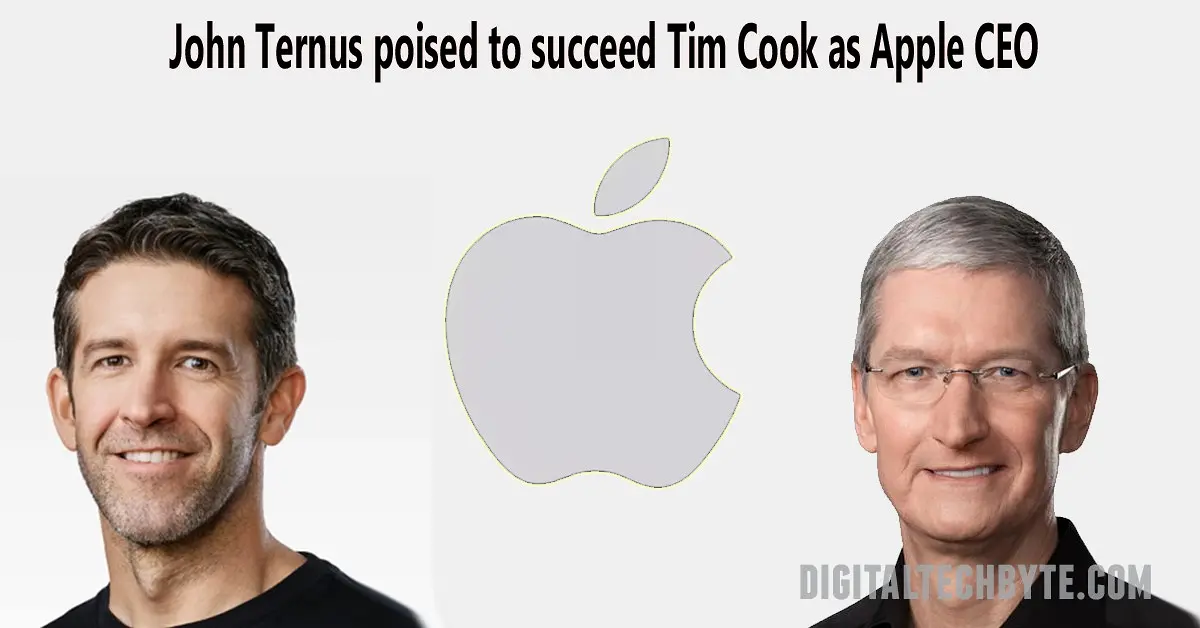
As John Ternus rises as the frontrunner to succeed Tim Cook, discover the challenges and opportunities awaiting Apple’s leadership transition in 2026.
John Ternus is emerging as the top contender to succeed Tim Cook as Apple’s next CEO, with reports suggesting the leadership transition could happen as early as 2026. Ternus, 50, currently serves as Apple’s Senior Vice President of Hardware Engineering and has been a key figure within the company for over two decades, having joined Apple during the dawn of its revolutionizing iPod era in 2001. His extensive tenure has seen him lead the engineering of flagship products including the iPhone, iPad, MacBooks, and AirPods, and play a pivotal role in Apple’s transition to its custom silicon chips—one of the company’s most significant technical achievements in recent years.
Apple’s succession planning has historically been discreet and meticulous, and this transition is no different. Sources indicate that the company has quietly expedited its long-term leadership strategy in anticipation of Cook’s eventual exit, acknowledging that he has maintained a robust plan for ensuring smooth leadership handover whenever it occurs. Tim Cook, who turned 65 recently, has noted publicly that he will not step down immediately but hints that passing the baton is inevitable in the near future.
Unlike Cook’s operational and supply chain expertise or the late Steve Jobs’s singular product vision, Ternus brings deep technical leadership grounded in hardware innovation. Colleagues and insiders describe him as a meticulous, soft-spoken leader who thrives on precision and technical excellence aligned with Apple’s culture of innovation and quality.
Tim Cook’s exit as Apple’s CEO will create a complex set of challenges for the company, touching on leadership, innovation, market expectations, and strategic continuity.
First and foremost, the next CEO will inherit a colossal legacy. Under Cook’s 14-year tenure, Apple’s market capitalization grew from roughly $350 billion to over $4 trillion, establishing its dominance across smartphones, wearables, services, and more. Maintaining investor confidence during this transition will require a carefully managed succession plan with clear communication to markets and stakeholders.
Innovation pressure is another significant challenge. While Apple remains a tech giant, critics have pointed to a slowdown in breakthrough products compared to the Jobs era. Recent setbacks such as the halving of sales forecasts for the Vision Pro headset and delays in AI-enhanced Siri highlight growing scrutiny. The incoming CEO must reignite Apple’s innovation engine, driving new product categories and technological leadership—especially in AI, AR/VR, and potentially Apple Car initiatives.
Operational risks also loom large. Tim Cook’s strengths have included extraordinary supply chain mastery and operational excellence. A successor lacking Cook’s deep operational expertise must ensure Apple’s complex global supply networks remain resilient amid geopolitical uncertainties and economic pressures.
Additionally, internal cultural shifts may arise. Cook’s leadership style is distinct—quiet but decisive. New leadership must balance respecting Apple’s culture of secrecy and excellence with fostering agility and openness to emerging tech trends. High-profile departures like former COO Jeff Williams underscore rapid leadership changes that may impact organizational stability.
The timing of this leadership transition is particularly significant as Apple prepares for milestones including its 50th anniversary in 2026 and major product launches ranging from foldable iPhones to AI-powered devices and augmented reality platforms. Ternus’s technical background positions him well to steer Apple through this next phase of hardware-driven growth and emerging technological frontiers.
While no official announcement has been made, it is widely expected that Apple will formalize its succession plan following key earnings reports and product events early next year, outlining Ternus as the new CEO poised to guide Apple into its next era of innovation and market leadership.
This generational shift in leadership encapsulates a strategic change in emphasis toward deep technical expertise and continued hardware excellence, ensuring that Apple remains at the forefront of consumer technology.