
 Brijesh Desai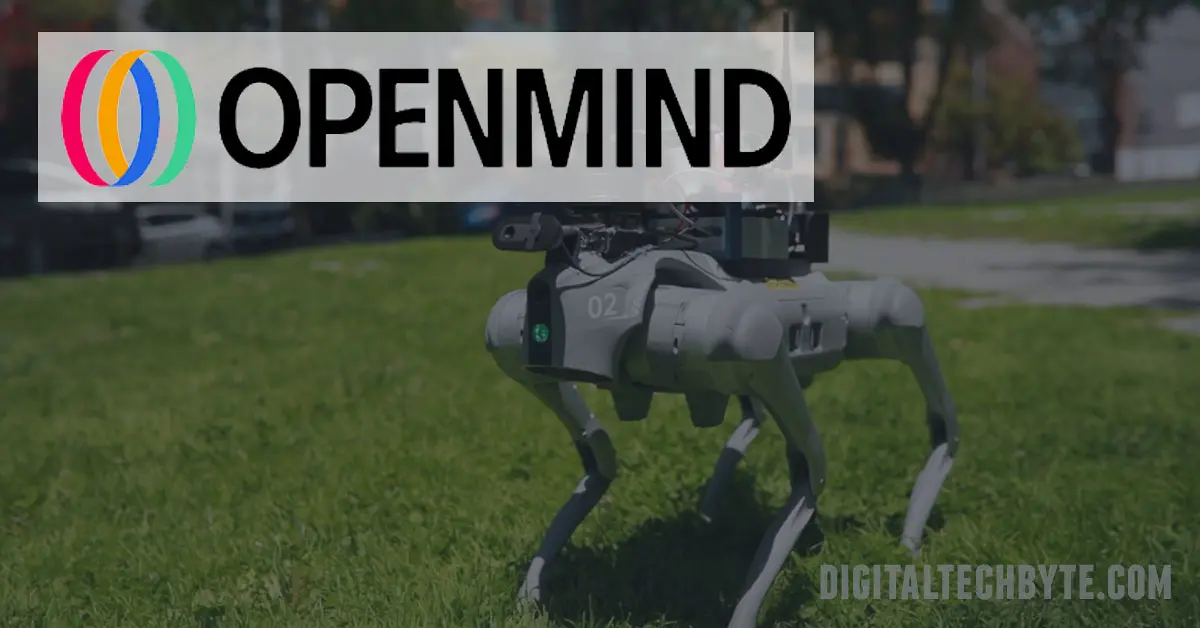
Explore how OpenMind’s OM1 operating system and FABRIC protocol mark a revolution in robotics, paving the way for human-robot collaboration and universal machine intelligence.
A Software Revolution in Robotics
Forget everything you thought you knew about robots just chugging away in isolated factories. Silicon Valley startup OpenMind has just thrown open the doors to a future where intelligent robots aren’t just single-purpose machines—they’re connected, collaborative, and smart enough to work side by side with people. On Monday, OpenMind launched OM1, its hardware-agnostic, open-source robot operating system designed to power the next wave of humanoid machines.
While most companies endlessly optimize robotic grippers or tinker with mobility, OpenMind is going for the heart of the industry—the software “brain.” Their goal is to be the Android of robotics, enabling robots of any kind (yes, even your future robot dog) to communicate using the same language, no matter who built them. It’s wildly ambitious, but also exactly what this moment demands.
Beyond Hardware: Building the Intelligence Layer
OM1 isn’t just another OS. It’s built for adaptability, perception, contextual awareness, and real-time decision making. Jan Liphardt, Stanford professor and OpenMind founder, describes how robots have historically excelled at repetitive tasks. But as they step into our homes and workplaces, the bar is much higher—they need to interpret unpredictable environments and react like real companions. Imagine a robot that can learn German instantly, share its new skill with a network of other robots across the globe, and adapt its behavior in your living room. That’s what OM1, combined with the newly announced FABRIC protocol, is pushing forward.
FABRIC: The Secret Sauce of Machine Collaboration
What really sets OM1 apart is FABRIC—a decentralized protocol that enables robots to verify identities, share data, and build trust with each other, much like humans do. Let’s get personal for a moment: When you chat with a colleague, you don’t teach them everything from scratch. You share knowledge, collaborate, and build off a common understanding. FABRIC is that framework for robots. Suddenly, machines can talk to one another, swap experiences, and even teach skills almost instantly—a leap that could dramatically speed up deployment from the lab to real life.
Real-World Impact and What’s Next
OpenMind isn’t wasting time. The company, fresh off a $20 million funding round, is already preparing its first fleet of OM1-powered robotic dogs—set to be tested in homes by September. This iteration-first approach means the software gets smarter with every real-world use, constantly learning from actual human feedback rather than theoretical models. The vision? Thousands of robots, from household helpers to medical assistants, operating seamlessly with humans and each other—safe, intuitive, and a bit like smart teammates you didn’t realize you needed.
The Bigger Picture: Toward an Open Robotic Ecosystem
Here’s why the industry is buzzing: If OM1 catches on, it can free robots from the silos of today’s rigid single-vendor platforms. We’ll see standardized development environments that empower innovation, reduce costs, and democratize robotics for startups everywhere. Whether it’s cleaning your laundry or assisting surgeons, OM1 could be the connective tissue underlying a trillion-dollar economy.
Wrapping Up
Read between the lines and you’ll feel the buzz: OpenMind’s OM1 and FABRIC could do for robotics what Android did for smartphones—make them open, connected, and endlessly creative. The line between human and machine is getting a whole lot blurrier. It’s exciting, a bit uncanny, and—let’s be honest—absolutely the future. Is your home ready for its first robot dog?