
 Brijesh Desai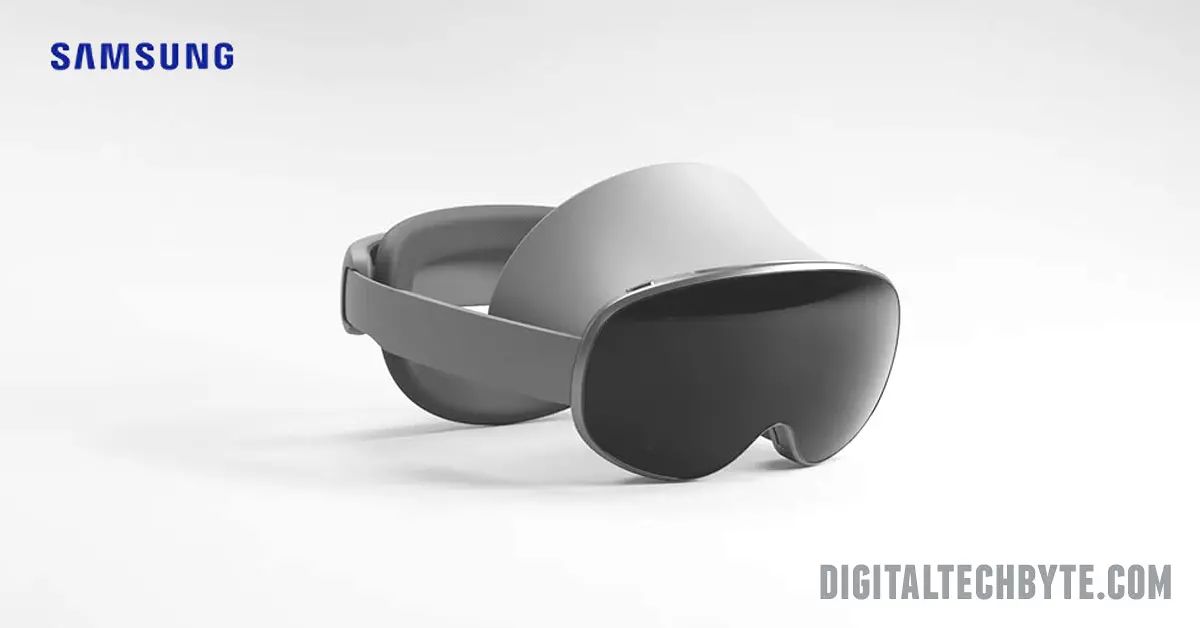
Samsung will unveil its first-ever Android XR headset on October 21, marking its entry into the extended reality race dominated by Apple and Meta. Here’s everything we know so far.
Samsung is gearing up for one of its most anticipated product announcements in years — the launch of its first-ever Android-powered XR (Extended Reality) headset on October 21, 2025. This milestone event signals Samsung’s official entry into the immersive tech arena, a space increasingly shaping the future of computing, communication, and creativity.
For months, tech insiders have whispered about Samsung’s next big thing in partnership with Google and Qualcomm, and it seems those rumors were right on the mark. The upcoming event—dubbed “Unfold the Next Reality”—will showcase a device that blends advanced mixed reality with AI-driven interactivity. If sources close to the company are any indication, this isn’t just another VR headset. It’s Samsung’s answer to Apple’s Vision Pro and Meta’s Quest 3, both of which have redefined what extended reality means in the modern era.
A Strategic Alliance to Define the XR Era
Samsung’s collaboration with Google and Qualcomm isn’t coincidental—it’s calculated. Google, powering the device with Android XR, is reportedly optimizing the software to integrate smoothly with Galaxy smartphones and wearables, enhancing the overall user ecosystem. Qualcomm, on the other hand, is providing a custom chipset likely derived from the upcoming Snapdragon XR3 Gen 2 platform, designed for ultra-low latency and lifelike 3D rendering.
According to early reports, the headset might feature 4K micro-OLED displays, hand-tracking and eye-tracking sensors, and a dedicated spatial audio system. Combined with Samsung’s design finesse, especially in lightweight wearables, this could make it the most comfortable headset yet for extended use.
Rivalry in the New Reality Race
While Samsung has dominated smartphones, entering the XR domain puts it in direct competition with Apple’s Vision Pro, which launched earlier this year, and Meta’s Quest lineup, which remains popular with mainstream consumers. But Samsung’s advantage lies in timing — the market is finally maturing, and extended reality is moving beyond niche uses into daily productivity, remote collaboration, and entertainment.
Experts suggest Samsung could leverage its global supply chain and display manufacturing expertise to undercut Apple on price while offering premium quality. Meanwhile, integration with Galaxy AI could bring a personalized user experience that adapts to gestures, voice commands, and gaze patterns.
What to Expect on October 21
The unveiling, set to be live-streamed globally, is expected to include detailed demos and a possible reveal of Samsung’s new XR ecosystem, potentially including accessories like motion controllers and productivity-focused apps. Developers will likely get early access to SDKs designed to build immersive Android XR experiences.
It’s still early days, but Samsung appears ready to make XR mainstream. If it delivers on the promise of blending digital and physical worlds seamlessly, October 21 might just be the day Samsung changes how we work, play, and connect.