
 Brijesh Desai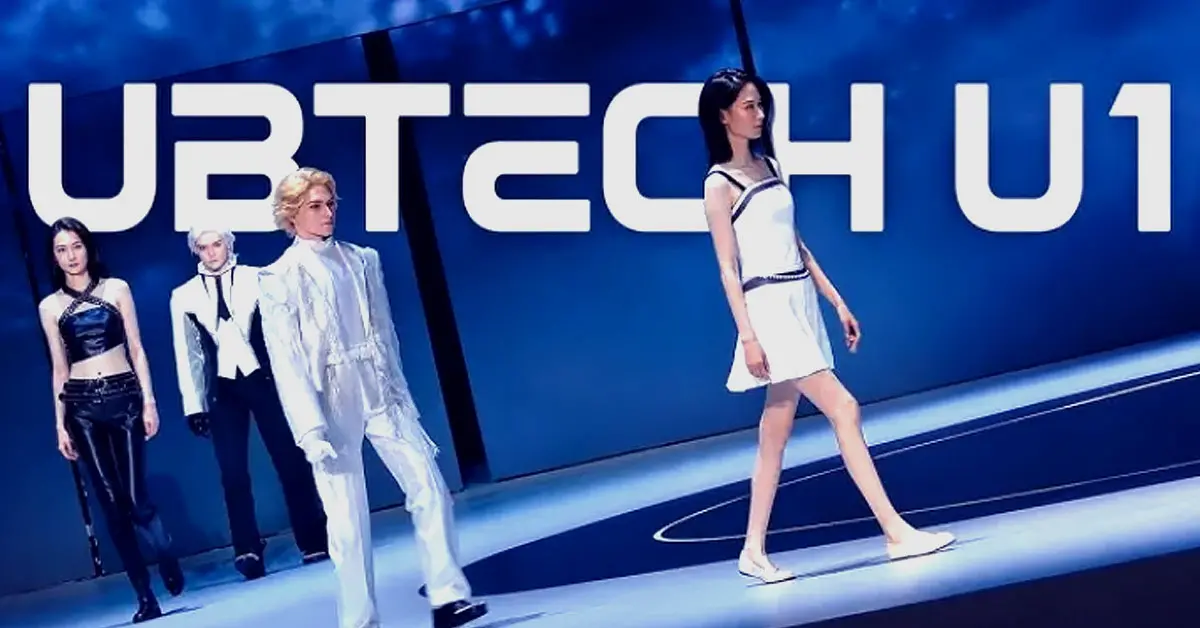
UBTech Robotics unveils U1 humanoid series for homes and services, with emotional AI, lifelike design, and mass-production ambitions.
UBTech Robotics unveils U1 humanoid series for homes and services
UBTech Robotics unveils U1 humanoid series for homes and services at a moment when humanoid robots are moving from science-fiction spectacle toward practical consumer products. The Chinese robotics company says its new U1 line is designed not just for industrial automation, but for companionship, domestic use, and premium service environments. That is a notable shift in tone for a sector that has long been dominated by factory robots and lab demos.
What makes the launch stand out is how deliberately human-centered it is. UBTech is pitching the U1 as a robot that can interact emotionally, recognize facial cues, and respond in a more natural way than typical service machines. In other words, it’s not trying to be just another robot that moves objects — it’s trying to feel more like a social presence.
What UBTech launched
The U1 series comes in multiple configurations, including Lite, Pro, and Ultra variants, with pricing that ranges from 119,800 yuan to as high as 990,000 yuan. The lineup includes both male and female versions and is designed for a broad set of uses, from household companionship to higher-end service settings. UBTech also says the system is built for mass production, which is important because humanoid robots have historically struggled to move beyond expensive prototypes.
The company’s positioning is especially ambitious. Rather than framing the U1 as a novelty product, UBTech says it is aimed at homes, elder care, hospitality, and other service environments where a robot can interact with people over time. That makes the U1 one of the clearest attempts yet to bring emotionally aware robotics into everyday life.
Emotional AI and lifelike design
UBTech is leaning heavily on emotional AI as a core feature. The company says the U1 can recognize more than 20 human emotions with over 90% accuracy and respond accordingly. That kind of capability matters because it changes the robot from a passive assistant into something that can adapt its behavior based on mood, context, or social setting.
The hardware is also built to support that vision. Reports describe realistic silicone skin, expressive faces, visible facial details, and highly human-like movement powered by a large number of degrees of freedom. Some versions are also said to feature local memory and fast response systems, which would help the robot maintain ongoing interaction instead of feeling reset after every conversation.
Why UBTech is targeting homes
UBTech’s move into homes and services reflects a larger robotics trend: the market is no longer only about industrial automation. As labor shortages, elder care needs, and consumer interest in AI companions grow, companies are looking for new use cases that justify humanoid design. The U1 is clearly designed to sit in that intersection.
The elder-care angle is especially important. Robots that can assist, converse, and remain present in a home could become meaningful tools for older adults living alone or people who need daily interaction. But that promise also raises hard questions about privacy, dependency, and how comfortable people will be living alongside machines that are designed to feel emotionally responsive.
Big market signal
UBTech’s launch is not just a product announcement; it is a statement about where consumer robotics is headed. By pushing a humanoid series into home and service markets, the company is betting that people will eventually accept robots as part of normal domestic life. That is a big bet, but it is not a random one. Interest in companion robots has been rising, especially in aging societies and premium service industries.
The real test will be whether customers see the U1 as useful, comforting, or simply uncanny. Humanoid design can be emotionally powerful, but it can also backfire if the interaction feels too artificial or too intrusive. Still, UBTech has put a serious marker down.
Final take
UBTech Robotics unveils U1 humanoid series for homes and services as one of the boldest consumer robotics pushes of the year. With emotional AI, lifelike design, and mass-production ambitions, the company is trying to make humanoid robots feel less like prototypes and more like products people might actually live with.
Summary: UBTech’s U1 series is a mass-production humanoid robot line built for homes and service settings, combining emotional AI, lifelike design, and companion-style interaction.