
 Brijesh Desai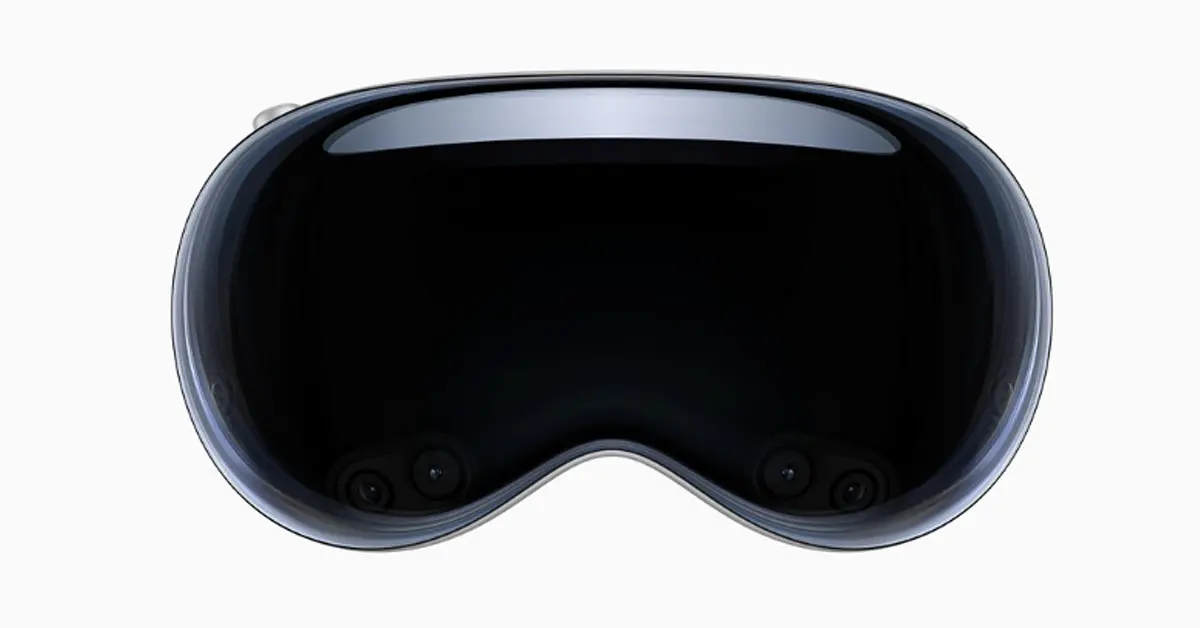
Apple Vision Pro cataract surgery milestone: Dr. Eric Rosenberg at SightMD performs world’s first using spatial computing. Since Oct 2025, hundreds of cases—enhanced 3D views, real-time data overlays transform eye ops.
Apple Vision Pro cataract surgery just crossed into history books, proving this pricey headset isn’t just for virtual movies. Back in October 2025, Dr. Eric Rosenberg at SightMD in New York pulled off the world’s first, wearing the Vision Pro as his main surgical display—and he’s done hundreds more since.
How Vision Pro Transformed the OR
Forget clunky microscopes; Rosenberg paired Apple’s spatial computing with his ScopeXR software for stereoscopic 3D views of the eye, plus live overlays of pre-op scans and vitals. No breaking sterile field—he’s glancing at patient data mid-cut, spotting tiny lens fragments that traditional setups might miss. It’s like having a floating holographic assistant, scaling the surgical field from macro to micro without shifting gear.
This builds on pilot studies where 10 ophthalmic surgeons rocked Vision Pro through full eyelid procedures, scoring it 85+ on usability for freedom of movement and workflow fit. Practicality? Off the charts—no fatigue, seamless integration. For cataract ops, where precision’s everything (that lens swap’s millimeters from the optic nerve), it’s revolutionary.
Scalability and Real Impact
Hundreds of follow-ups prove it’s no one-off. SightMD’s presser calls it “scalable clinical viability,” meaning busy practices can adopt without massive retraining. Surgeons rate it high for immersive depth over loupes or scopes—think Zeiss-level clarity with AR smarts. Early trials confirm safety; no complications tied to the headset.
In India, where cataracts hit millions yearly (over 7M surgeries annually), this could slash errors in high-volume centers. Imagine Mumbai docs pulling real-time AI guidance during peak Diwali eye camps—faster heals, fewer retries.
Tech Breakdown: Vision Pro in Surgery
Powered by dual 4K micro-OLEDs and eye-tracking, it renders the operative field in crystal 3D while pinning diagnostics beside. No monovision issues post-surgery; Apple supports custom ZEISS inserts.
Why This Signals AR’s Medical Boom
Vision Pro’s healthcare wins keep stacking—prior uses in neuro and ortho surgeries showed similar promise. For a device criticized as niche (under 1M units sold), this flips the script: real ROI in high-stakes fields. Rosenberg’s team scaled from one op to routine, hinting at training sims next—new surgeons practicing in virtual eyes before live ones.
Apple’s not commenting yet, but Ternus’s gadget push (from our last chat) aligns perfectly. Pair with iPhone 18’s health AI? Seamless patient handoff from diagnosis to surgery.
Apple Vision Pro cataract surgery debut feels like sci-fi turning real—precision jumps, docs stay sharp longer. If it hits Indian hospitals, it’ll save sights and time. Huge for medtech fans; what’s your take on AR in ORs?