
 Brijesh Desai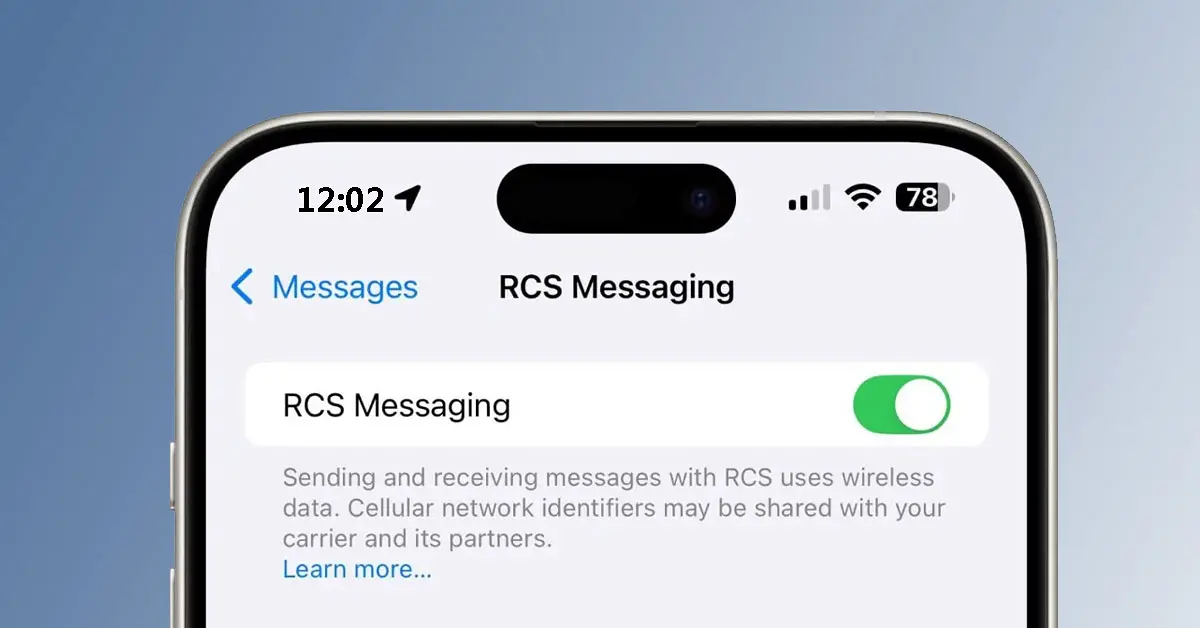
Apple and Google have begun rolling out end‑to‑end encrypted RCS messaging in beta, bringing secure, cross‑platform chats between iPhone and Android users; here’s what to know about availability, carrier support, security, and what it means for privacy.
Encrypted RCS messaging has moved from industry conversation to real‑world rollout: Apple and Google have begun deploying end‑to‑end encryption for Rich Communication Services (RCS) chats between iPhone and Android users, signaling a meaningful step toward unified, private cross‑platform texting. The update, launching in beta with iOS 26.5 and the latest Google Messages builds, promises that messages sent via RCS will be unreadable in transit — protecting chats from interception by carriers or platform operators.
Why this matters now
For years, RCS has been pitched as the modern successor to SMS, bringing typing indicators, high‑quality media, read receipts and larger group chats to native messaging apps. But one sticking point was security: while many OTT apps (WhatsApp, Signal) offered end‑to‑end encryption by default, cross‑platform carrier‑based messaging did not. The new deployment fills that gap by making E2EE available for RCS conversations between Android and iPhone users, narrowing the privacy difference between native and app‑based messaging.
What Apple and Google are rolling out
Apple’s public announcement notes that end‑to‑end encrypted RCS begins rolling out in beta for iPhone users on iOS 26.5 and for Android users on the most recent Google Messages release, with a familiar lock icon indicating protected chats. Encryption is enabled by default and will become active incrementally for both new and existing RCS threads where all parties, devices and carriers support the feature. Google’s blog post echoes the timeline and describes the same default‑on approach, ensuring users see consistent indicators of protection inside their messages app.
Who can use it today
The rollout is staged and depends on three moving parts: device software, messaging app version and carrier support. iPhone users need iOS 26.5 (beta initially), Android users must run the latest Google Messages build, and both sides need a supported carrier that allows RCS with encryption. Neither company has published an exhaustive carrier list or a firm global timeline, so availability will vary by market and operator. Early reports indicate the feature is reaching testers and select users now, with broader support promised over time.
How encryption works — and its limits
End‑to‑end encryption prevents intermediaries from reading message content while it moves between devices; the messages are decrypted only on the participating phones. That means carriers and the companies operating messaging servers — Apple and Google — shouldn’t be able to access the plaintext of exchanged messages when encryption is active. However, E2EE does not anonymize metadata like timestamps or sender/recipient phone numbers that networks or device backups might retain, and it hinges on having up‑to‑date software on all devices in a conversation.
Practical user signals and settings
Users will see a small lock icon and an “Encrypted” label within compatible RCS conversations when E2EE is active, matching the visual cues already used in other secure messaging contexts. Apple says encryption will be default and auto‑enabled where possible, but early beta testers may need to toggle an “End‑to‑End Encryption (Beta)” option in RCS settings to participate. Android users typically only need to run the latest Google Messages; some carriers may require no action beyond that.
Implications for privacy, security, and regulation
The joint deployment is a win for consumer privacy: native cross‑platform chats will soon offer protection previously limited to third‑party apps. That reduces the tradeoff users faced between convenience (using built‑in messaging) and security (installing an encrypted OTT messenger). Yet regulators and governments wary of E2EE for law‑enforcement access have long argued for backdoors or exceptional access; the technical implementation here — designed by industry and standards bodies like the GSMA — will likely reawaken policy debates around lawful access and metadata collection.
Transition challenges and fragmentation risk
Although the update should reduce fragmentation, the dependency on carriers remains a complicating factor. Because RCS is delivered through carrier infrastructure in many markets, operators that lag on support will slow universal adoption. That creates a patchwork experience: some users will enjoy encrypted, full‑featured chats; others will fall back to basic SMS/MMS or unencrypted RCS, depending on device, app and network conditions. Developers and platform teams will need careful rollout messaging to avoid user confusion.
What to watch next
Expect a phased global rollout over the coming months, with coverage expanding as carriers update networks and push supporting configurations. Watch for official carrier lists from Apple and Google, and for Google Messages updates that remove beta flags as the feature stabilizes. Security researchers and privacy advocates will also test the implementation for robustness, looking for edge cases such as multi‑device sync, cloud backups, and fallback behaviors when a participant lacks support.
Quick checklist for users
- Update: install iOS 26.5 or the latest Google Messages build where available.
- Check settings: look for an RCS E2EE toggle in Messages if you’re on an early beta.
- Confirm the lock: see the lock icon and “Encrypted” label at the top of a conversation to verify protection.
- Carrier: contact your operator or check their announcements if encrypted RCS isn’t showing up.
A more private default for native texting
The move by Apple and Google to deploy encrypted RCS messaging is more than a feature update — it’s a shift in how we think about native messaging privacy across mobile platforms. As adoption widens, many users will gain the convenience of cross‑platform texting without sacrificing the basic protections modern users expect. It won’t be instantaneous or universal, but for those on supported software and networks, messages are now that much harder to intercept — and that matters.
If you text friends across platforms, this change matters — you’ll soon be able to rely on the built‑in Messages apps to keep private conversations private, assuming your phone and carrier are on board. Update your apps, keep an eye for the lock icon, and don’t be surprised if the rest of your contacts take a while to catch up.