
 Brijesh Desai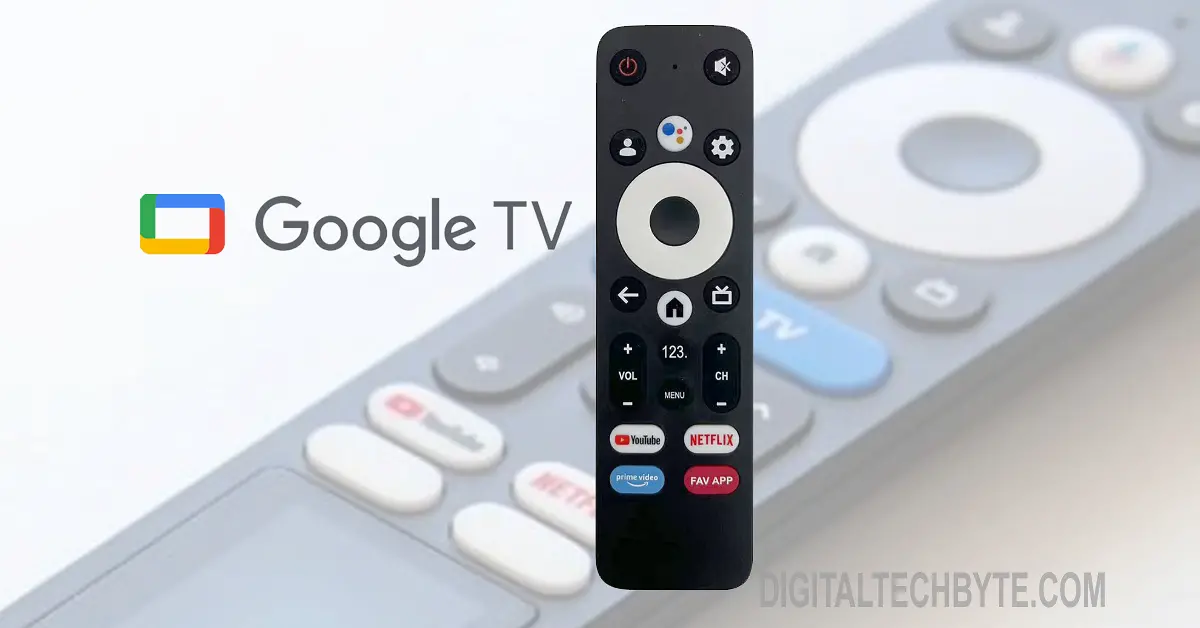
Discover Google TV’s G32 solar-powered remote with dual-sided organic solar cells enabling continuous indoor charging to eliminate disposable batteries.
Google TV’s G32 solar-powered remote is a game-changing innovation designed to transform the home entertainment experience with cutting-edge sustainability and user convenience. This refined, battery-free remote is engineered to harvest ambient indoor light using advanced solar technology, promising a maintenance-free and eco-friendly alternative to the traditional battery-reliant controllers that come with streaming devices.
The G32 remote is a result of a strategic collaboration between Google’s official remote supplier Ohsung Electronics and Swedish solar technology pioneer Epishine. Unlike earlier solar-powered remotes that needed bright sunlight, the G32 leverages state-of-the-art bifacial indoor solar cells printed from organic materials. These thin, flexible cells are positioned on both the front lower third and the entire back of the remote, enabling the device to capture light from various angles and orientations — even when lying face down on a table or in dimly lit rooms. This consistent light harvesting keeps the remote charged indefinitely, freeing users from the burden of replacing disposable batteries or worrying about recharging.
In terms of design, the G32 maintains the familiar Google TV remote layout with essential navigation controls, a circular directional pad, and dedicated buttons for Google Assistant, YouTube, Netflix, and the mandatory “Free TV” button seen on newer Google remotes. The solar panels are subtly integrated into the lower third of the front surface and the back, maintaining an elegant and sleek appearance without compromising functionality.
The sustainability benefits of the G32 solar remote cannot be overstated. Every year, billions of disposable batteries contribute significantly to electronic waste, polluting landfills and straining recycling systems. Google’s adoption of renewable indoor light for powering this remote marks a vital step toward reducing this environmental footprint. By eliminating batteries, the G32 remote not only reduces waste but also aligns with growing consumer demand for greener, more responsible technology.
Currently, the G32 is a reference design and has not yet been bundled with any commercial Google TV hardware or sold as a standalone product. However, its presence in Google’s design portfolio signals a strong likelihood of adoption by TV manufacturers and streaming device makers in the near future. Its integration could soon become a standard feature in budget and premium Google TV ecosystems, setting a new benchmark for sustainable smart home accessories.
Despite its many advantages, there are considerations to keep in mind. The remote may face challenges in complete darkness, where solar charging is unavailable, though such situations are expected to be rare during regular home use. Additionally, integrating this solar technology involves manufacturing complexities and costs that manufacturers must balance against consumer benefits.
Looking ahead, Google’s G32 solar remote represents more than just a product upgrade—it is a beacon of innovation signaling a shift in consumer electronics toward sustainability without sacrificing user experience. As smart homes proliferate and the environmental impact of e-waste gains global attention, solutions like the G32 offer a promising glimpse into future devices that are both smarter and cleaner.
In summary, the Google TV G32 solar-powered remote combines advanced solar technology with user-centric design to deliver a powerful statement in sustainability and convenience. Its self-charging, maintenance-free operation not only benefits consumers but also contributes positively to environmental conservation efforts. This innovation is set to redefine how users interact with their entertainment systems, ensuring that the humble remote control keeps pace with the evolving standards of modern technology.