
 Brijesh Desai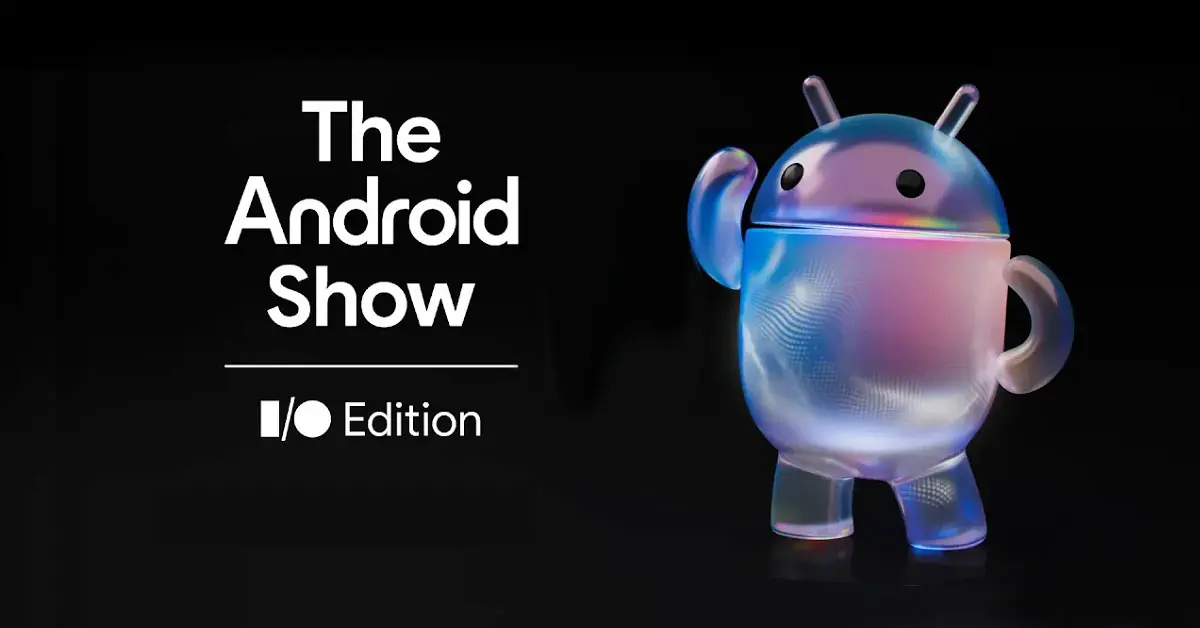
The Android Show: I/O Edition 2026 previewed Gemini Intelligence, Googlebook laptops, Android XR and platform upgrades that push AI across phones, watches, cars and glasses; here’s what developers and users need to know.
The Android Show: I/O Edition 2026 opened a clear window into Google’s vision for an AI‑first Android ecosystem, with announcements that stitch Gemini’s capabilities into phones, wearables, cars and new hardware such as Googlebook and Android XR glasses. The streamed event served as both a product preview and a roadmap: Google isn’t simply adding features to Android, it’s reorienting the platform around proactive intelligence that surfaces help where users need it most.
Gemini Intelligence: the platform’s new center of gravity
At the heart of the show was Gemini Intelligence — a set of system‑level AI features that promise contextual, proactive assistance across form factors. Rather than confining large‑model capabilities to cloud‑only experiences, Google showed how Gemini will run across phones, watches, cars and laptops to anticipate tasks, summarize content, and reduce repetitive interactions. For users that means suggestions that feel less intrusive and more useful: auto‑generated meeting summaries, inbox triage, and context‑aware actions inside apps. For developers, Google emphasized new APIs that enable apps to invoke Gemini’s reasoning while respecting privacy and device constraints.
Googlebook and hardware that centers Gemini
A headline reveal was Googlebook, a premium laptop line built with Gemini at the core and designed to work seamlessly with Android phones and the broader Google ecosystem. Googlebook was presented as a showcase for how Gemini enhances productivity — long‑form drafting, multimodal search that blends text and images, and fast context switching across devices. The laptop announcement underscores Google’s ongoing push to blur lines between mobile and desktop experiences, giving users an ecosystem where AI and device continuity are the selling points rather than raw CPU counts.
Android beyond the phone: XR, Auto, Wearables
The Android Show expanded the definition of Android. Android XR glasses — teased with a timeline for a later‑year launch — were framed as a new hardware category where Gemini will power glanceable experiences, live translation, and spatially aware notifications. Android Auto also received attention: Google previewed a more immersive in‑car entertainment and assistance experience, promising Gemini‑driven navigation prompts, smarter voice interactions, and richer media playback tuned to driving contexts. Wearables and watches weren’t left behind; new watch workflows lean on on‑device intelligence to surface actionable insights while preserving battery life.
Platform upgrades and developer tools
Developers were a central audience for the show, and many announcements were explicitly developer‑facing. Android platform upgrades include performance optimizations, improved multitasking gestures, and better support for multimodal apps that combine camera, speech and text inputs. Google introduced new SDKs and Gemini APIs intended to make it easier to build proactive features and automate common user flows. Important for enterprise and privacy‑sensitive apps, Google capped off the tooling with clearer guidelines on data handling and options for on‑device models to reduce cloud dependency.
UX and privacy: balancing helpfulness and control
A recurring theme was balance: Google framed Gemini features as meant to reduce friction without turning phones into surveillance devices. Several demos emphasized user control — explicit activation, granular settings, and privacy‑forward defaults for sensitive tasks — though the company also reiterated the value of cloud processing for heavier workloads. The tension between convenience and data control will likely become a recurring conversation in the months ahead as more users test the features in beta.
Real‑world impact: productivity, accessibility, and discovery
The announcements point to concrete changes for everyday users. Productivity workflows should get faster: auto‑summaries and context switches reduce the need to open multiple apps, while multimodal search helps people find information from screenshots and recordings. Accessibility stands to benefit as well; live captioning, translation and context‑aware prompts powered by Gemini can make devices more usable for people with hearing, vision or language barriers. On the discovery side, developers will be able to craft more proactive experiences, but they’ll also need to be mindful of not overwhelming users with suggestions.
Adoption challenges and what to watch
Rolling out ambitious, cross‑device AI is complicated. Expect a staged rollout: Gemini features will arrive gradually across devices and regions depending on device capabilities and local regulations. Hardware partners and carriers will influence timelines for device‑specific features like Android XR and in‑car integrations. Security researchers and privacy advocates will scrutinize fallback behaviors, data retention policies, and sync across devices — so expect further clarifications from Google in the run‑up to I/O.
Takeaway for developers and product teams
- Experiment early: Google’s new APIs give early adopters an edge in building proactive, AI‑driven experiences.
- Design for control: give users clear toggles and transparent explanations for when Gemini intervenes.
- Test across devices: features that work on high‑end Googlebook hardware may need adaptation for lower‑power phones.
- Monitor compliance: regional rules around AI, data transfers, and in‑vehicle features will affect product decisions.
What’s next
The Android Show was a prelude to a much larger stage at Google I/O, where deeper technical sessions and product timelines will be available. In the weeks ahead expect SDK rollouts, developer previews, and expanded beta programs that invite wider testing. For consumers, keep an eye out for incremental updates to Messages, Android Auto and wearable firmware that expose early Gemini features.
Wrap-up
The Android Show: I/O Edition 2026 painted a clear picture: Android is evolving into an experience where AI helps reduce noise, completes routine tasks, and extends across new hardware categories. Whether you’re a developer plotting your next product roadmap or a user curious about a smarter phone, the year ahead promises more helpful, more connected Android experiences — provided Google and its ecosystem partners can deliver the careful balance of power, privacy and predictability people expect.